In industrial environments such as construction, oil & gas, manufacturing, and logistics, lifting and moving heavy loads is a routine yet high-risk operation. The safety and efficiency of these operations depend heavily on selecting the right lifting equipment, rigging tools, and personal protective gear.
This guide explains how to choose the right equipment, key factors to consider, and best practices to ensure safe and efficient operations.
Understanding Lifting, Rigging, and Safety Gear
Before selecting equipment, it’s important to understand the difference between these three categories:
- Lifting Equipment: Machines used to raise or move loads (e.g., cranes, hoists, winches)
- Rigging Equipment: Tools that connect the load to lifting machinery (e.g., slings, shackles, hooks)
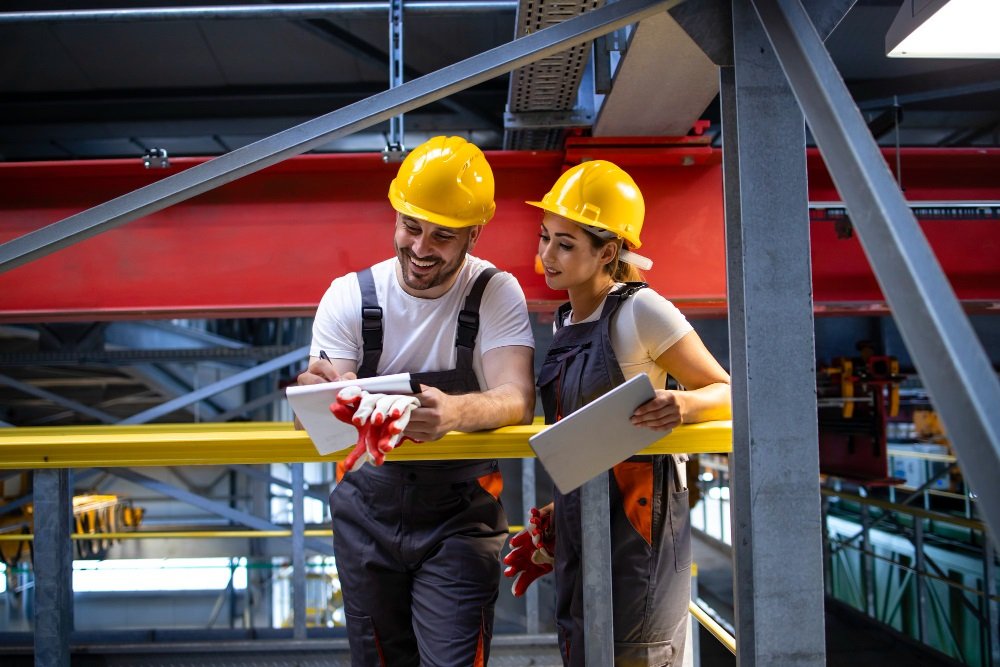
- Safety Gear (PPE): Equipment that protects workers from hazards (e.g., helmets, gloves, harnesses)
Together, these components ensure that loads are lifted securely and workers remain protected.
Types of Lifting Equipment
Choosing the right lifting equipment depends on the type of load and work environment.
Common Lifting Equipment:
- Cranes (mobile, tower, jib) – for heavy and high lifts
- Hoists (manual & electric) – for vertical lifting
- Winches – for pulling and positioning loads
- Hydraulic jacks – for lifting heavy equipment at ground level
These tools reduce manual labor and improve efficiency while ensuring controlled movement of heavy materials
Types of Rigging Equipment
Rigging equipment plays a critical role in load stability and control.
1. Slings
Slings are the most essential rigging components used to attach loads.
- Wire rope slings – high strength and durability
- Chain slings – ideal for heavy-duty and high-temperature environments
- Web slings (synthetic) – lightweight and suitable for delicate surfaces
Each type is designed for specific load conditions and environments
2. Shackles and Hooks
- Used as connectors between lifting equipment and loads
- Hooks often include safety latches to prevent accidental release
- Shackles provide secure and flexible attachment points
These are fundamental components in almost every rigging setup
3. Lifting Beams and Spreader Bars
- Distribute load weight evenly
- Prevent load bending or damage
- Improve balance during lifting operations
They are especially useful for long or uneven loads.
4. Turnbuckles and Eyebolts
- Used for tensioning and securing loads
- Provide adjustable connections for precise positioning
Essential Safety Gear (PPE)
Personal Protective Equipment is critical for protecting workers during lifting operations.
Common PPE Includes:
- Hard hats (helmets) – protection from falling objects
- Safety gloves – protection from cuts and abrasions
- Safety shoes – prevent injuries from heavy objects
- Safety glasses – protect eyes from debris
- High-visibility clothing – improves worker visibility
- Fall protection (harnesses & lanyards) – essential for working at height
Proper PPE significantly reduces workplace injuries and supports safe operations
Key Factors to Consider When Choosing Equipment
Selecting the right lifting, rigging, and safety gear requires careful evaluation of several factors:
1. Load Capacity
Always ensure the equipment can handle the load weight safely. Never exceed the Safe Working Load (SWL) limits
2. Type of Load
- Fragile loads → use synthetic slings
- Heavy, rugged loads → use chain or wire rope slings
- Uneven loads → use spreader beams
3. Environment Conditions
- High temperature → chain slings
- Corrosive environments → stainless or coated materials
- Outdoor use → weather-resistant equipment
4. Safety Standards and Compliance
Ensure equipment meets industry standards such as:
- OSHA (Occupational Safety and Health Administration)
- ASME (American Society of Mechanical Engineers)
Compliance reduces risk and ensures legal safety requirements are met
5. Frequency of Use
- Frequent lifting → invest in high-durability equipment
- Occasional lifting → standard-grade tools may suffice
6. Inspection and Maintenance
Regular inspection is essential:
- Check for wear, corrosion, cracks, or deformation
- Remove damaged equipment immediately
- Maintain inspection records
Routine checks are critical to preventing failures and accidents
Best Practices for Safe Lifting and Rigging
1. Plan Every Lift
- Determine load weight and center of gravity
- Identify hazards and lift path
- Choose appropriate equipment
2. Use the Right Rigging Technique
Improper sling angles or incorrect setup can increase load stress and lead to failure.
3. Train Personnel
Only trained and qualified workers should perform lifting and rigging operations.
4. Inspect Equipment Before Use
Damaged slings, hooks, or connectors must be removed immediately
5. Monitor the Lift Continuously
- Watch load balance
- Check for shifting or instability
- Maintain clear communication
Common Mistakes to Avoid
- Using incorrect sling type
- Overloading equipment
- Ignoring environmental factors
- Skipping inspections
- Using damaged or worn-out gear
These mistakes can lead to serious accidents, equipment damage, and costly downtime.
Industrial Applications
Lifting, rigging, and safety gear are used across various industries:
- Construction – steel erection, heavy material handling
- Oil & Gas – pipeline installation, offshore lifting
- Manufacturing – machinery movement and assembly
- Shipping & Logistics – cargo handling and container loading
Proper equipment selection ensures efficiency, safety, and compliance in all these sectors.
Conclusion
Choosing the right lifting, rigging, and safety gear is not just about efficiency—it’s about protecting lives and ensuring operational success. Each component, from cranes and slings to helmets and harnesses, plays a vital role in safe load handling.
By understanding equipment types, evaluating load requirements, and following safety standards, businesses can minimize risks, improve productivity, and maintain a safe working environment.